Freemasonry is one of the oldest and most widespread fraternal organizations, dating back to the late 16th or early 17th century in Europe. Its origins are rooted in the traditions and practices of medieval stonemasons' guilds, but over time, it evolved into a more symbolic and philosophical society.

Key Aspects of Freemasonry:

Structure: Freemasonry is organized into "lodges," which are local chapters where members meet regularly. These lodges are part of larger regional or national organizations called "Grand Lodges." There is no single governing body, as different Grand Lodges are independent of one another.

Freemasonry uses a system of degrees to symbolize the progression of members through the organization. The three primary degrees are:

Entered Apprentice. The first degree, representing the beginning of a Freemason's journey.

Fellowcraft. The second degree, representing learning and growth.

Master Mason. The third degree, symbolizing maturity and understanding. Additional higher degrees exist in appendant bodies, such as the Scottish Rite or the York Rite, but the Master Mason degree is considered the highest within the basic structure.

Symbols:

Freemasonry is rich in symbolism, much of it drawn from stonemasonry. Common symbols include...
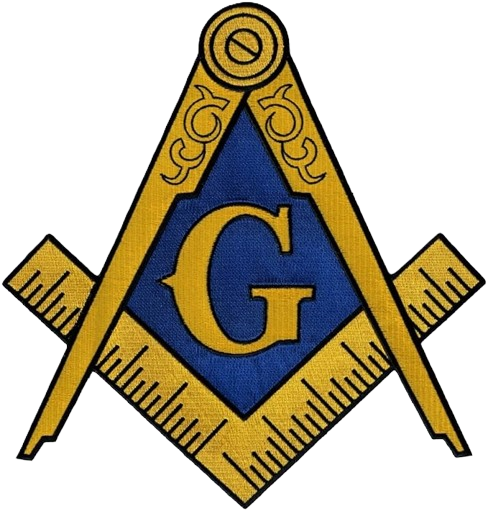
The Square and Compasses: Perhaps the most recognizable symbol, representing morality (the square) and the boundaries of one’s actions (the compasses). The Letter "G": Often placed within the square and compasses, it can symbolize God or geometry, depending on the interpretation. The All-Seeing Eye: A symbol of divine watchfulness, often representing God or higher truth.

Philosophy:

Freemasonry promotes personal development, ethical behavior, and charity. Members are encouraged to cultivate virtues such as wisdom, justice, fortitude, and temperance. Freemasonry is not a religion, but it requires belief in a Supreme Being, which can be interpreted in different ways depending on the individual's faith. Discussions of religion and politics are generally discouraged in Masonic lodges to maintain harmony among members.

Secrecy and Rituals:

Freemasonry is known for its secret rituals and ceremonies, which are used to initiate members into different degrees. While these rituals are confidential, they focus on allegorical lessons derived from historical and moral themes. This secrecy has led to much speculation and conspiracy theories about Freemasonry, though most members see it as a way to maintain tradition and a sense of fraternity.

Charitable Work:

Freemasonry places a strong emphasis on charity and community service. Masons often support hospitals, educational programs, and other philanthropic efforts, both within their local communities and globally.

Famous Members:

Freemasonry has attracted many notable individuals throughout history, including political leaders, artists, and philosophers. Some well-known Freemasons include George Washington, Benjamin Franklin, Winston Churchill, and Mozart.

Criticism and Controversy:

Freemasonry has faced criticism and opposition, especially from religious institutions like the Catholic Church, which has historically condemned it for its secretive nature and perceived religious indifference. Additionally, various conspiracy theories have emerged over the years, suggesting that Freemasons wield hidden influence over political and economic affairs. Most of these theories lack credible evidence.

Freemasonry remains an active and significant organization, with millions of members worldwide continuing its traditions of fraternity, moral development, and community service.